From Design Concept to Mass Production: The Ultimate Guide to Private Label Shoe Manufacturing
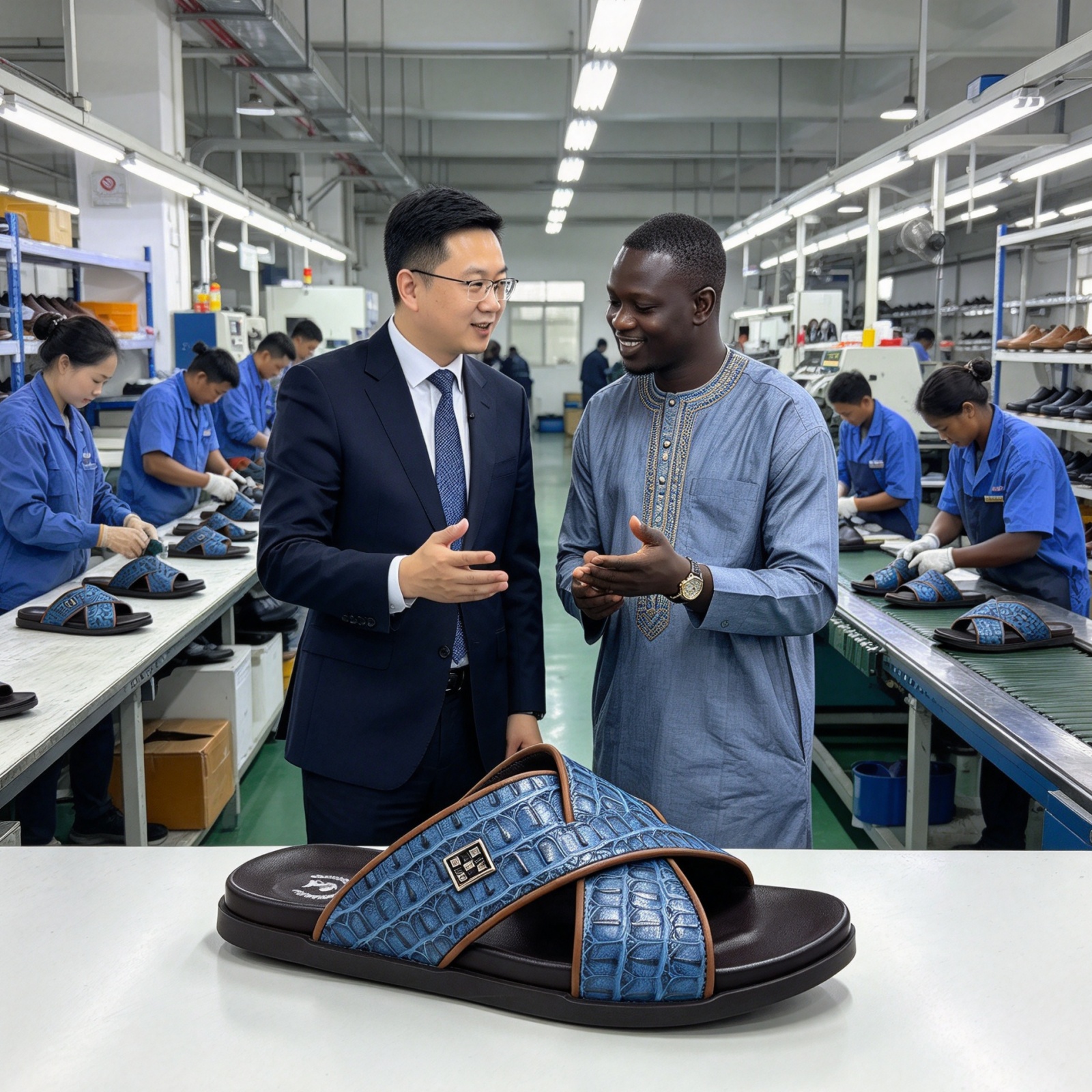
Launching a private label footwear brand or expanding an existing product line requires more than just a creative design—it demands a seamless manufacturing partnership. For overseas brand owners, wholesalers, and footwear retailers, turning a shoe concept into a market-ready product involves multiple technical steps. Understanding the end-to-end OEM/ODM manufacturing journey helps buyers minimize sampling iterations, protect product quality, and achieve optimal profit margins.
This ultimate guide details each stage of private label shoe manufacturing in China, providing practical insights to help you navigate custom production with confidence.
Step 1: Translating Design Concepts into Technical Tech Packs
The manufacturing process begins with a comprehensive technical specification sheet (Tech Pack). A professional footwear factory needs detailed information to bring your vision to life:
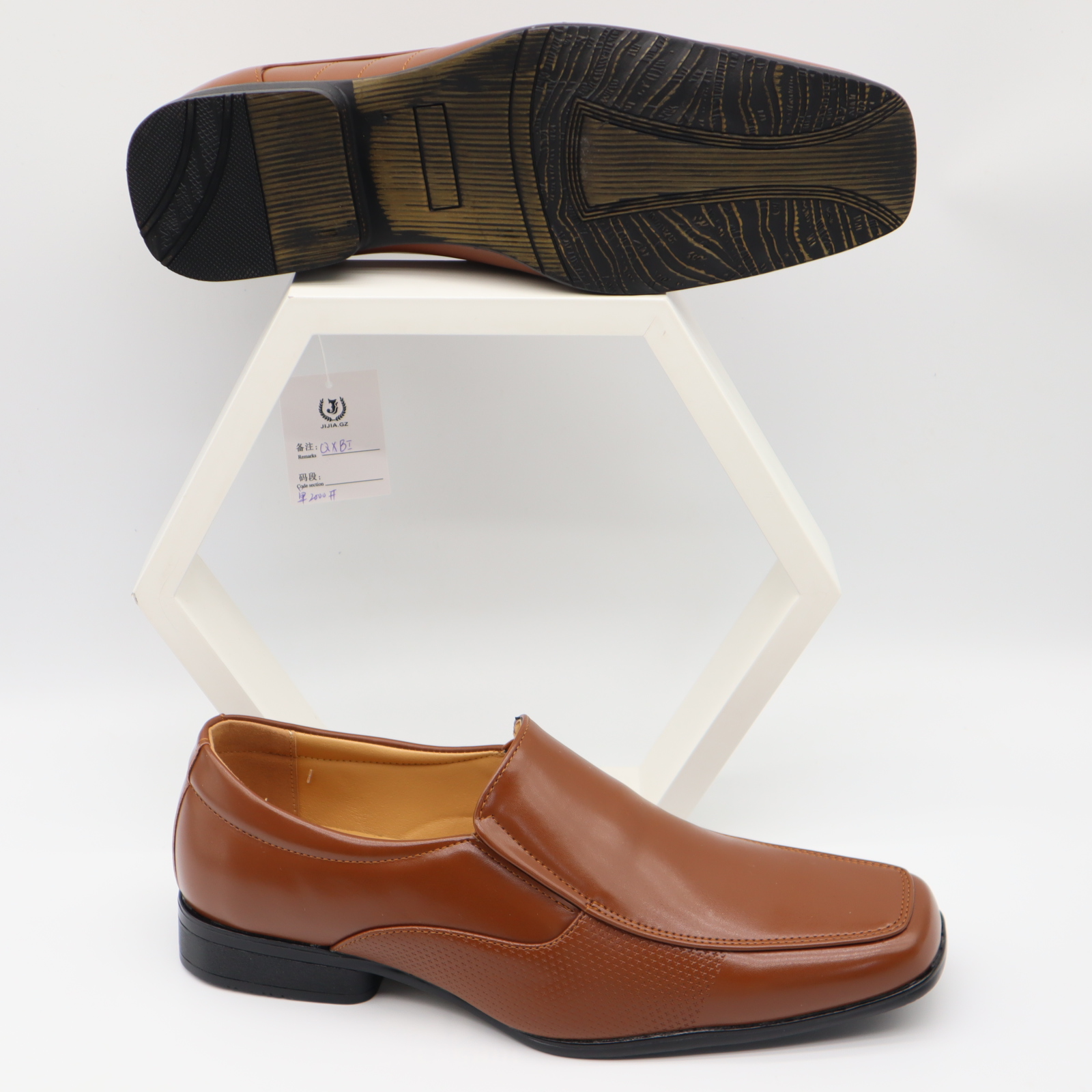
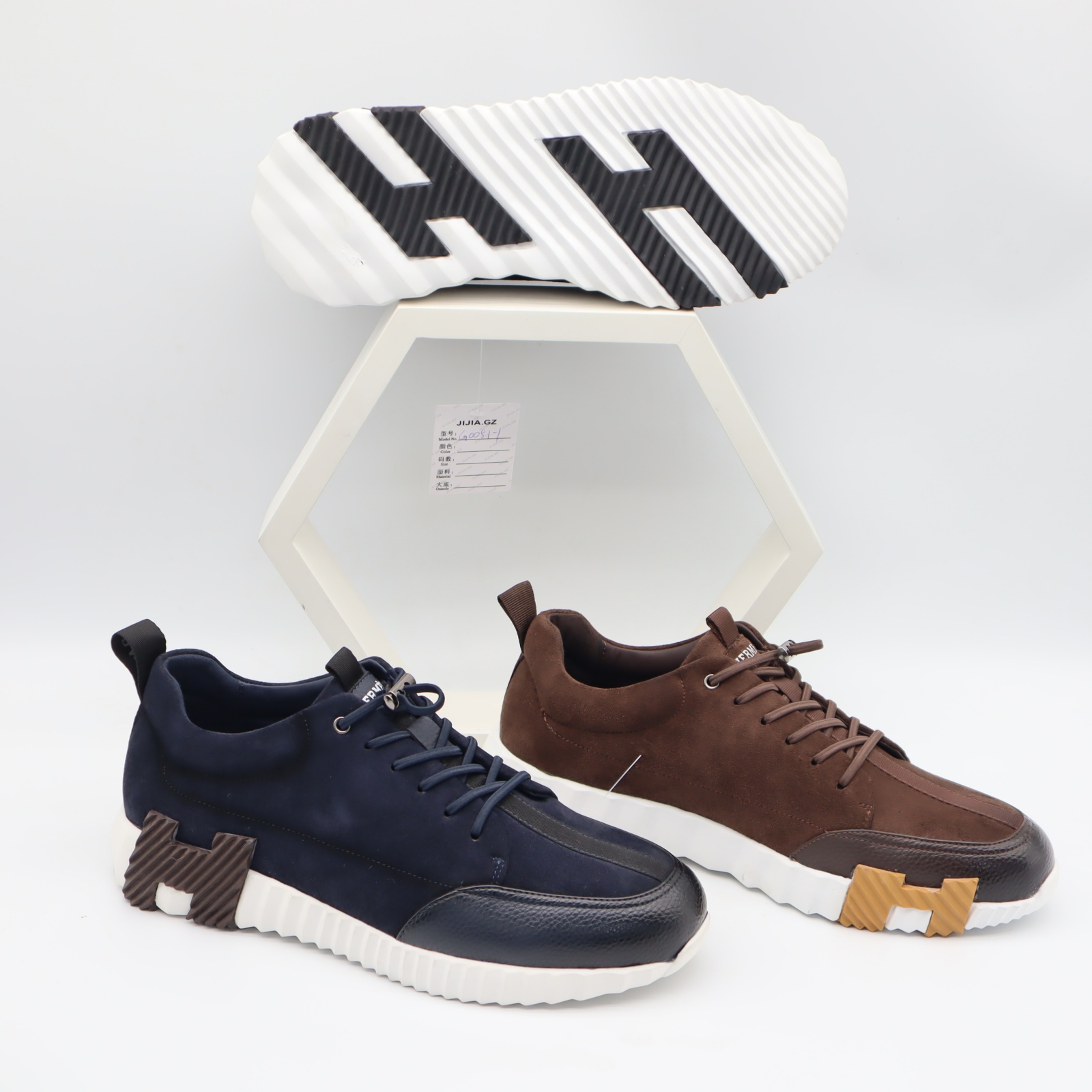
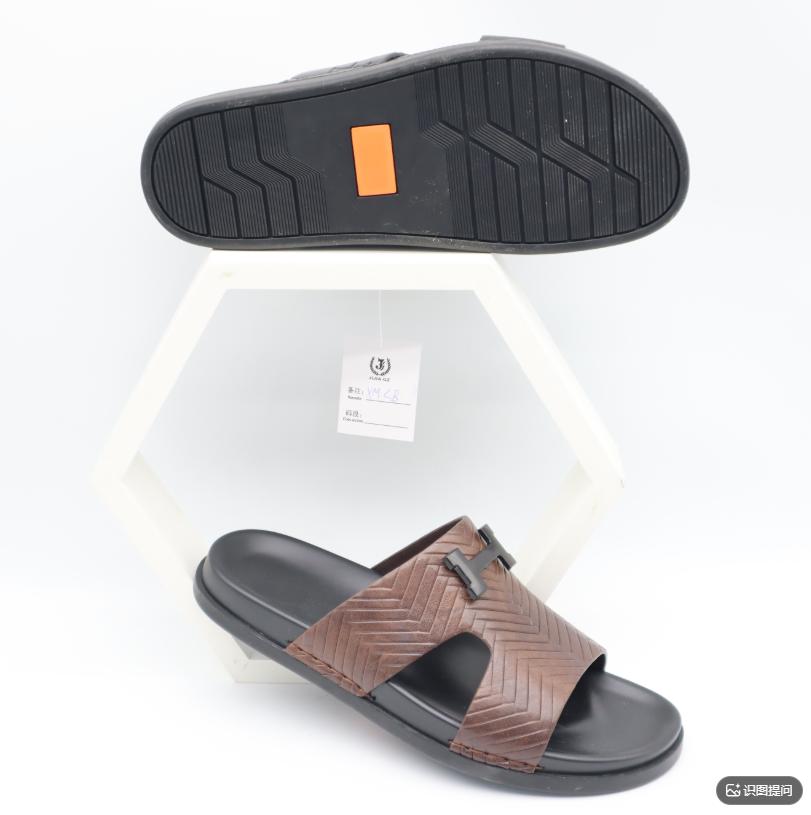
- Upper & Lining Material Specifications: Define the exact leather type, grain texture (e.g., crocodile-embossed, full-grain, or synthetic leather), and lining fabric.
- Sole & Heel Engineering: Specify outsole rubber density, tread patterns, and insole cushioning requirements.
- Hardware & Brand Customization: Detail custom metal buckles, eyelets, logo embossing locations, and sock-liner stamping.
Step 2: Rapid Pattern Making and Prototyping
Before launching full-scale production, physical sample development is crucial. A reliable shoe factory utilizes advanced pattern-making software and skilled craftsmen to create initial prototypes. During the sampling phase, buyers evaluate fit ergonomics, upper stitching precision, and color accuracy. Iterative adjustments are made until the pre-production sample meets 100% of your brand standards.
Step 3: Material Sourcing and Precision Lasting
Once samples are approved, raw material sourcing begins. High-grade footwear factories establish strict supplier audits for upper materials, adhesives, and outsoles. During lasting—the core process of shaping the upper onto a shoe last—specialized machinery ensures uniform tension, clean edge folding, and lasting structural integrity.
Step 4: Assembly Line Production and In-Line Quality Control
During mass production, footwear passes through specialized assembly lines including upper stitching, sole cementing, and lasting. Experienced OEM factories like JIJIA Shoes implement stringent In-Line Inspection protocols:
- Stitching & Bonding Checks: Ensuring seam strength and zero sole-separation defects.
- Aesthetics & Symmetry: Verifying left-and-right shoe alignment, logo placement, and surface finish.
- AQL Standards: Conducting Acceptable Quality Limit (AQL 2.5/4.0) inspections prior to final packaging.
Step 5: Custom Packaging and Global Logistics Compliance
Your private label experience extends to unboxing. OEM partners offer tailored shoe boxes, dust bags, and hangtags. Furthermore, reliable manufacturers assist with international trade compliance, including regional certifications (such as SABER for Saudi Arabia or ISO standards) and export customs documentation.
Partner with a Premier Private Label Shoe Manufacturer
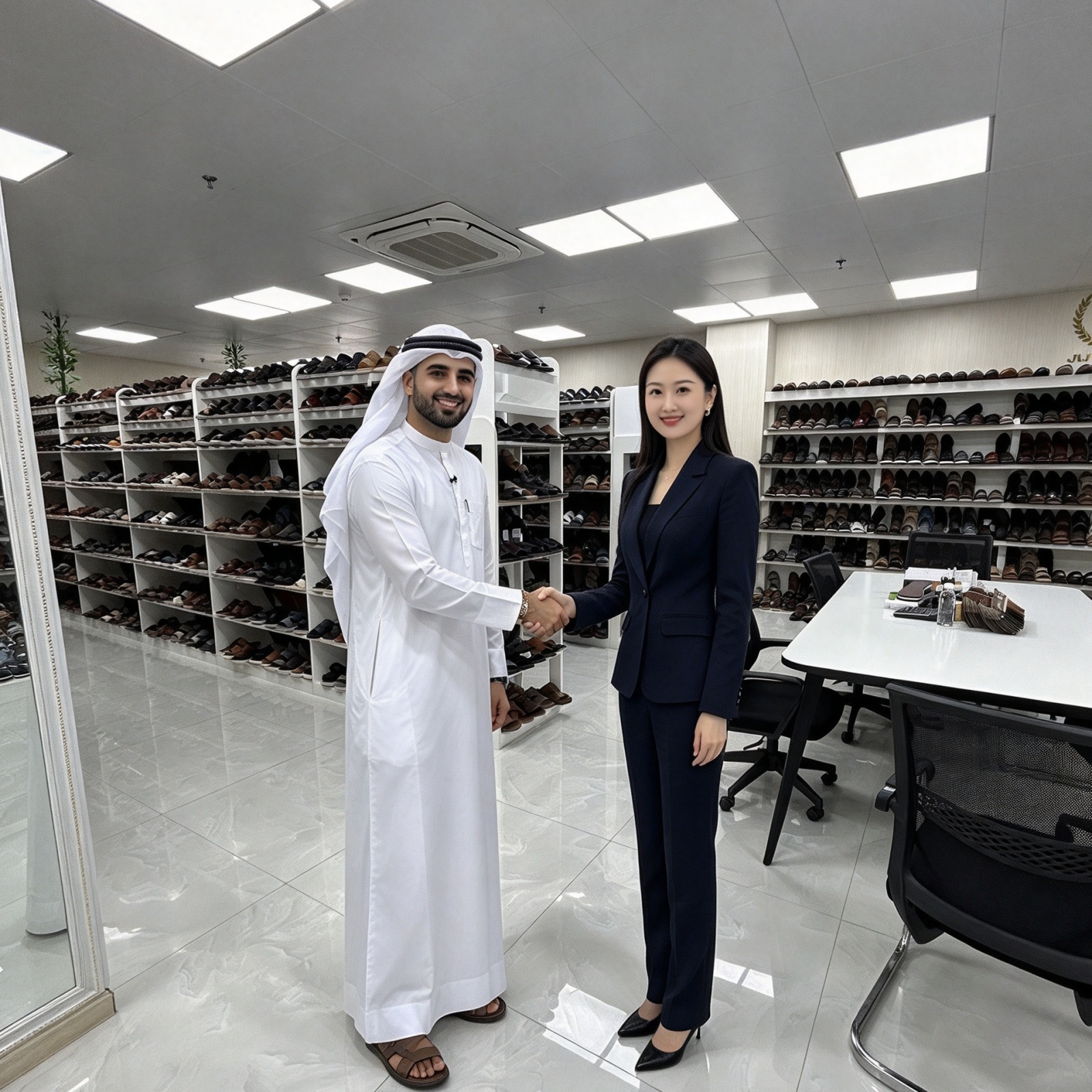
At Guangzhou JIJIA Shoes, we specialize in turnkey OEM/ODM footwear manufacturing for global brands. From custom leather sandals to business casual footwear, our facility provides flexible MOQs, rapid prototyping, and uncompromising quality control.
Contact our OEM specialists today to discuss your private label project and request a custom manufacturing quote!
Guangzhou JIJIA Shoes Unveils Premium Men's PU Leather Slide Slippers Model XM812B
How to Choose a Reliable Shoe Manufacturer in China: A Complete B2B Sourcing Guide
Related Article